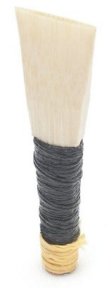
Chanter Reed Manipulation Guide
Learning chanter reed manipulation is an essential part of every bagpipe player's musical journey. Adjusting cane is a true learning curve, but mastering these skills ensures that your instrument always performs at its absolute best. Pipers often think there are dark reed secrets to getting a perfect tone, but careful setup is all it takes. While you can expect to ruin a few practice reeds along the way, the foundational knowledge you will acquire far outweighs the initial frustration.
Overcoming the Instantly Playable Reed Expectation
Many pipers have a false expectation of finding an instantly playable bagpipe reed straight out of the box. While partial success can sometimes be achieved by careful initial selection, an unadjusted reed rarely lasts very long. Furthermore, by strictly hunting for an instant fit, you will inadvertently cast aside many excellent reeds during your selection process. Relying on basic chanter reed manipulation is always a better strategy than searching for a flawless factory cut.
The Critical Process of Blowing in a Chanter Reed
A cane reed that does not perfectly suit your blowing strength might be a flawless match for another piper. A brand-new reed should always feel slightly uncomfortable to play at first. It must undergo an intentional blowing in chanter reed period to settle. This breaking-in process allows the natural cane fibres to absorb the necessary moisture content and stabilize. It also trains the organic cell structure to adapt to the required vibrancy and pressure. A little patience, time, and effort invested into your routine will pay massive structural dividends later on.
Learning How to Blow a Stable Sound
Every single piece of cane is structurally unique, which means you must actively learn how to blow a sound for each individual setup. Blowing a stable sound is not just about keeping steady physical lung pressure. It is also about identifying the exact sweet-spot pressure required to operate a specific reed to its fullest acoustic potential.
The vast majority of pipe reeds perform best at a pressure level slightly above the minimum physical threshold required to make them vibrate. In piping communities, this technique is frequently referred to as "leaning into a reed." When you master this approach, your overall chanter tone will sound significantly brighter, and your notes will be far easier to balance across the musical scale.
Step-by-Step Help and Maintenance Resources
Developing your personal technique takes time and practice. To assist you in advancing your setup skills, we have compiled comprehensive, free maintenance tutorials. Please explore and share our specific step-by-step technical guides below to expand your piping knowledge:
- Learn the fundamentals of initial placement with our Bagpipe Chanter Reed Set Up guide, which covers basic chanter reed adjustment steps.
- Discover how to safely alter cane thickness with our tutorial on Shaving a Cane Bagpipe Chanter Reed, where we break down safe shaving a chanter reed techniques.
- Fix pitch imbalances across your scale with our guide on Fine Tuning a Chanter using tape.